


A useful skin-ageing routine looks beyond wrinkles to comfort, dryness, uneven tone and changes that need assessment. It cannot stop natural ageing, but it can help you care for your skin and reduce avoidable exposure.
“Future-proofing” is an aspiration, not a result any cosmetic routine can guarantee. Choose a few sustainable steps and judge each product against a specific purpose.
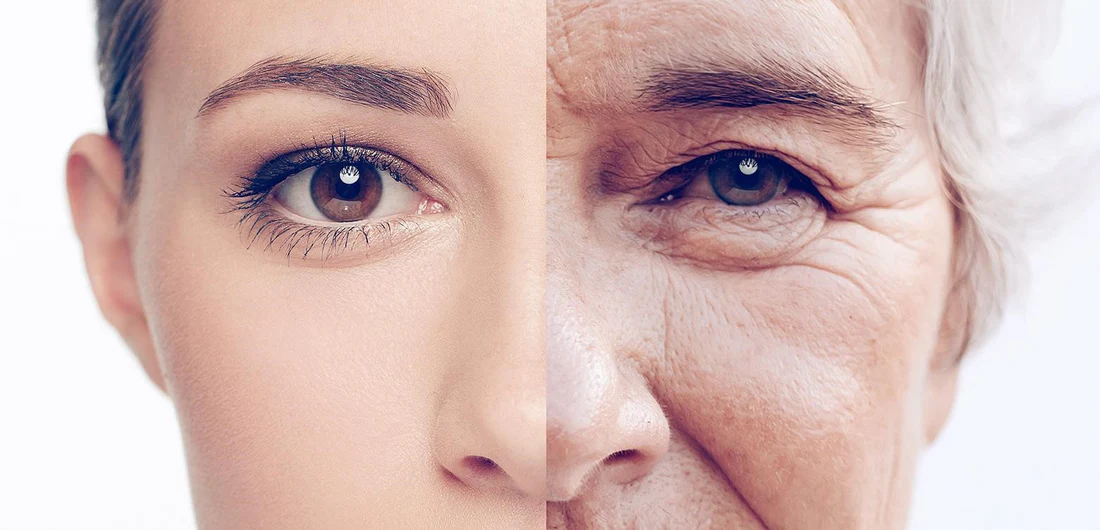
Separate natural ageing from preventable exposure
Natural ageing and external influences both affect skin. The AAD’s guidance on premature ageing highlights sun protection, avoiding tanning and smoking, gentle cleansing and moisturising. These are practical foundations rather than promises of permanently youthful skin.
For your own routine, list the concerns you want help with. Tightness after washing, a persistent brown patch and a fine line may call for different decisions.
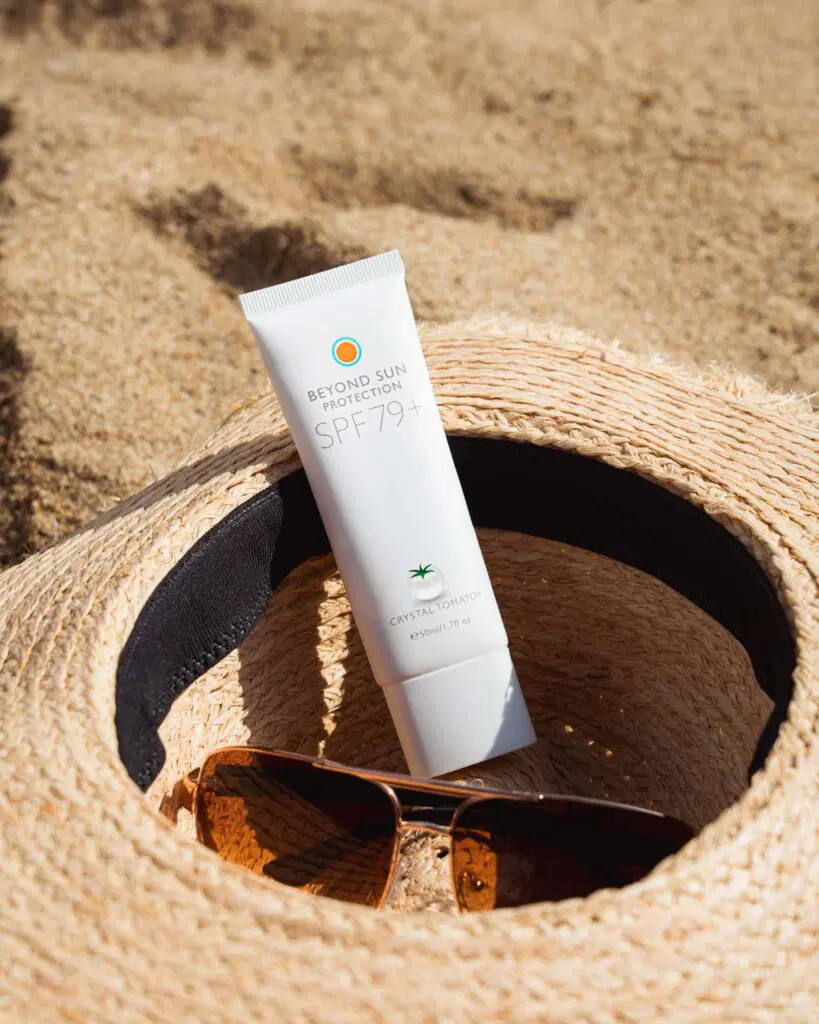
Make sun protection convenient
Keep the products and clothing you use where you will remember them. For example, place your sunscreen beside your morning skincare and keep a hat with your outdoor bag. Plan for reapplication when you will be outside, rather than relying on one morning application for every activity.
Beyond Sun Protection is a sunscreen option to assess by its current label, suitability and how consistently you can use it. Our seven-step protection routine covers the practical details.
Prioritise comfort and hydration
Choose a gentle cleanser and a moisturiser that leaves your skin comfortable. Moisturising may temporarily soften the appearance of fine lines by improving hydration; that is different from demonstrating lasting collagen rebuilding.
A complicated routine is not automatically a better one. When introducing a product, keep the rest of your routine stable where practical so you can identify unwanted reactions. Persistent burning, flaking or itching calls for a review rather than another active ingredient.
Assess uneven tone separately
Dark marks are not simply a measure of age. Their cause matters, and a new or changing lesion should be assessed instead of treated as an ordinary age spot.
If uneven pigmentation is your concern, read our pigmentation guide. Consider Skin Clarity Cream according to its intended use and directions, rather than expecting it to treat every feature of ageing. Review compatibility with prescribed treatments.
Ask what an anti-ageing claim actually measured
“Antioxidant”, “clinical” and “advanced” are not complete descriptions of a result. Ask whether the evidence concerns an ingredient or the finished formula, what outcome was measured and over what period.
- Was the outcome hydration, visible pigmentation, wrinkles or something else?
- Was there a comparison group?
- Were participants similar to the people the product is marketed to?
- Does the claim extend beyond the duration or findings of the study?
A pigmentation study does not automatically establish stronger skin immunity, slower biological ageing or guaranteed benefits from combining products. Our clinical claims guide explains these distinctions.
Keep supplements and lifestyle in perspective
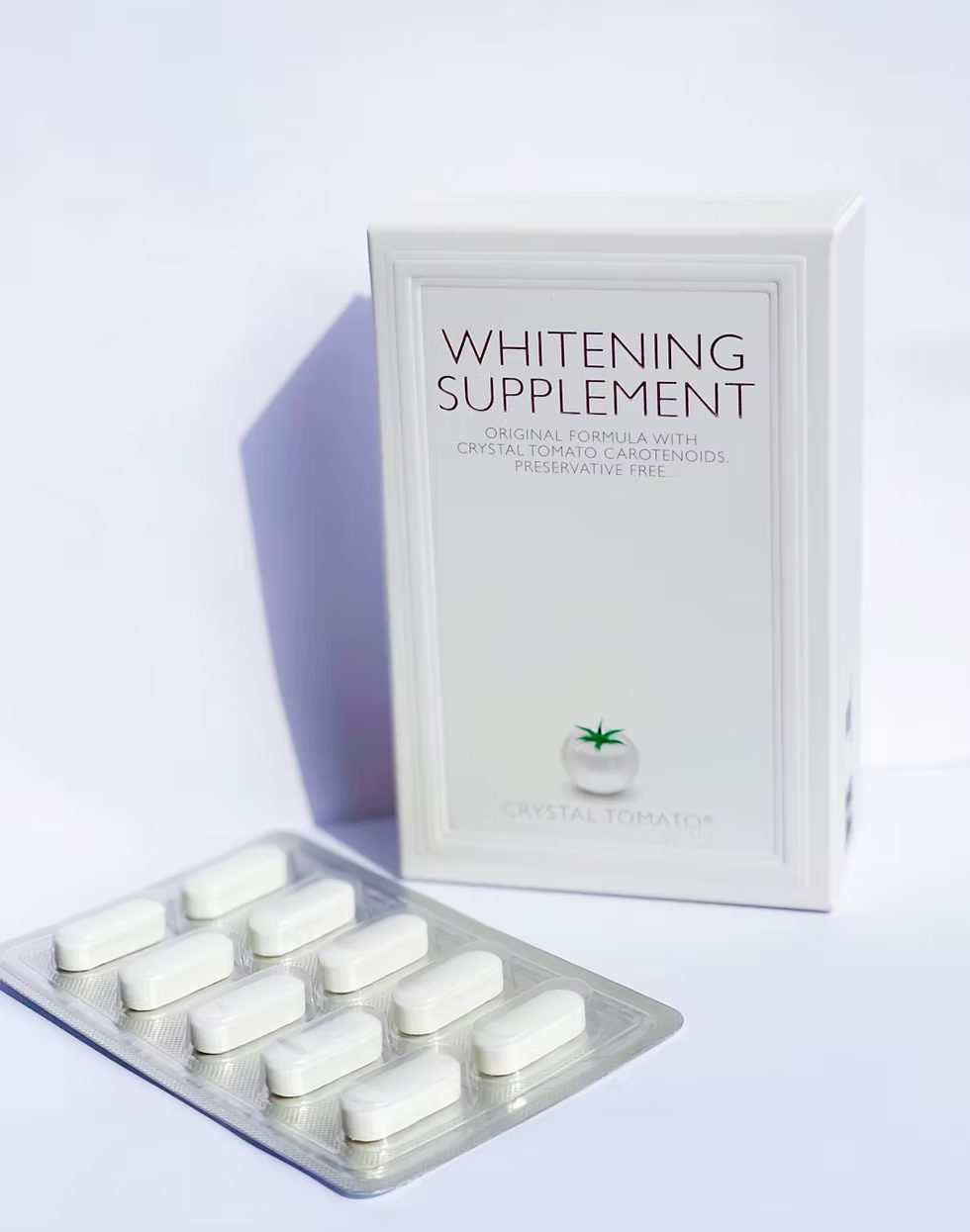
A balanced diet and everyday health habits are worthwhile without being turned into a skin-ageing cure. Supplements are not a required step for topical skincare to work. If considering the Crystal Tomato supplement, evaluate its specific evidence, label and suitability rather than interpreting it as protection against all environmental damage.
Review your routine when your skin or treatment changes. Success can mean comfortable skin and a manageable routine, not looking a fixed number of years younger.
Frequently asked questions
Do I need a separate product for every sign of ageing?
No. Start with your main concerns and review what each existing product already does before adding more.
Can a brightening product treat sagging or wrinkles too?
Do not infer those outcomes from a pigmentation claim. Look for evidence for the specific result and finished formula.
Is it too late to start protecting my skin?
No. Reducing further exposure remains useful even when visible changes have already appeared.


