


“Skin immunity” describes a real area of biology, but it is often used loosely in beauty advice. Your skin provides a physical barrier and participates in immune responses. Looking after it does not mean making every immune response stronger, and a cosmetic product should not be judged as an immune treatment.
Skin barrier and skin immunity: what is the difference?
The barrier helps separate your body from its environment. Skin immunity involves cells and signals that respond to potential threats. The NIAMS skin immunology programme describes skin as an active protective barrier with both innate and adaptive immune responses.

These systems interact, but moisturised skin is not proof of stronger immunity. A smoother appearance, less dryness and a measured immune effect are different outcomes.
Why “boosting” is the wrong goal
More immune activity is not always beneficial. As NIAMS explains in its atopic dermatitis guidance, an overactive immune response can contribute to skin inflammation; barrier changes, genes and environmental factors also play a role.
This is why eczema, acne and persistent rashes should not be reduced to “weak skin immunity”. Nor does a skincare routine replace diagnosis or prescribed treatment.
What everyday skincare can realistically offer
- Gentle cleansing: remove the day's residue without repeatedly scrubbing or chasing a tight, stripped feeling.
- Moisturising: choose a product your skin tolerates and use it consistently when skin feels dry.
- Sun protection: use a suitable sunscreen as directed and plan shade and clothing for outdoor exposure.
- A manageable routine: introduce one new product at a time so you can identify what helps or irritates.
These steps have practical purposes. They do not establish that a product reprogrammes immunity, prevents infections or treats an inflammatory skin disease.
How to read “immunocosmetic” and antioxidant claims
Ask what was actually measured. Did a study assess dryness, visible redness, pigmentation or a specific immune marker? Was it performed on the finished product in people, or on an ingredient in a laboratory?
A laboratory antioxidant result is not proof that a cream or supplement improves immune health. A testimonial about clearer-looking skin cannot show that hormones, the microbiome or immune cells have changed.
Where Crystal Tomato products fit
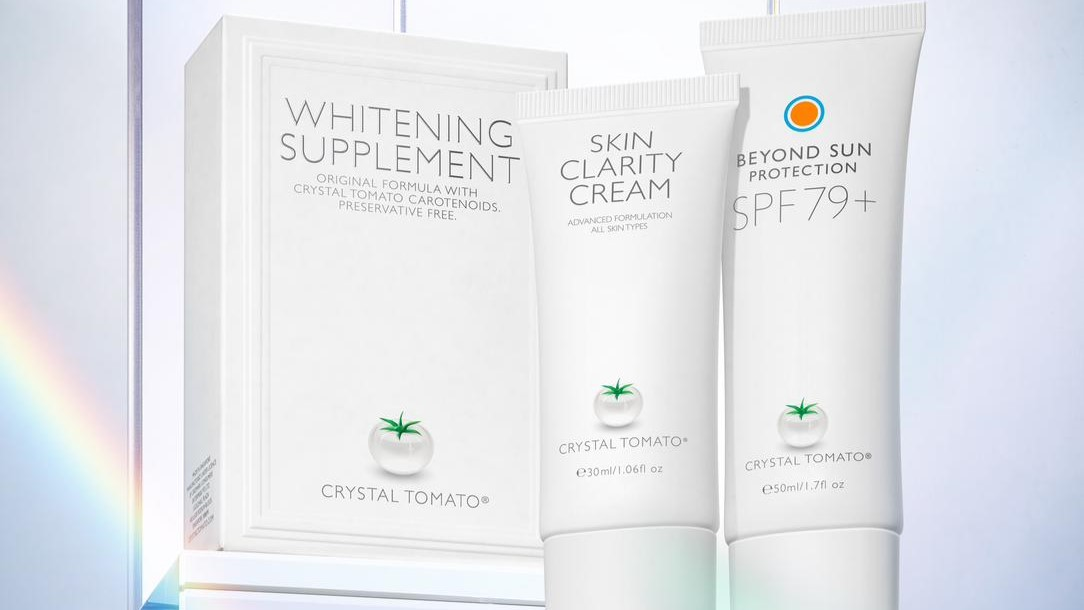
Beyond Sun Protection belongs in the sunscreen step. Skin Clarity Cream is a product to assess for a dark spot routine. Choose them for the relevant purpose and current instructions, without assuming they treat an immune disorder.
Likewise, an ingestible skincare supplement should not be presented as a way to strengthen skin immunity or replace treatment. If your main concern is recurrent irritation, first work out what is causing it.

When to seek advice
Persistent itching, cracking, a spreading rash or repeated reactions deserve a clinician's assessment. Keep a list of recently introduced products to help that conversation. If a product triggers symptoms, pause it rather than adding more products to “repair immunity”.
Common questions
Does a damaged barrier mean I am immunocompromised?
You cannot make that diagnosis from dryness or irritation. Barrier symptoms and systemic immune conditions are different questions; a clinician can assess concerns in context.
Can a brightening product strengthen skin immunity?
A visible skin tone result does not establish an immune benefit. Look for evidence matching the claim and the finished product.
The useful goal is comfortable skin and a routine suited to your needs. “Immune boosting” is not a necessary step in that routine.


